
8 Alarming Things a Live Blood Test Could Reveal About Your Blood
Why People Are Turning to Microscopic Blood Observation
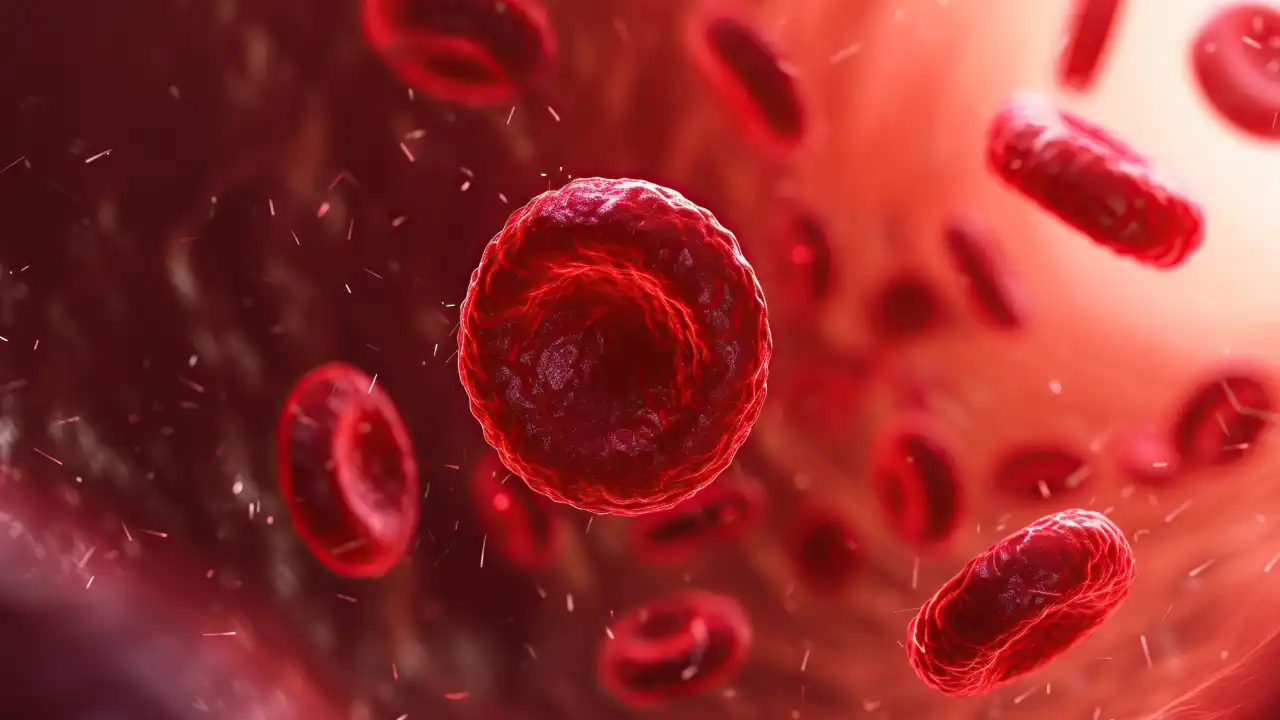
Interest in understanding what blood may indicate about internal health has increased in recent years. Many people want a closer look at how their body functions day to day, which has led to growing curiosity about microscopic blood observation. A Live Blood Test allows individuals to see fresh blood under a microscope shortly after collection, creating an opportunity to observe cell behaviour and patterns. Clinics such as Aggarwal Health & Wellness Centre in Surrey have seen an increase in inquiries from individuals who want to explore what a Live Blood Test might reveal about their blood condition and lifestyle influences.
Below are several notable observations that may be observed during microscopic blood examination.
1. Poor Circulation Patterns
One observation that may occur during a Live Blood Test involves blood flow and cell movement. When red blood cells move freely and remain separate, circulation appears balanced under the microscope. In some cases, however, sluggish movement or unusual spacing may appear.
Possible contributing factors may include:
- Sedentary habits
- Stress levels
- Lifestyle patterns affecting circulation
Observing these patterns can encourage individuals to think more closely about daily habits that influence blood flow and overall wellness.
2. Nutrient Deficiency Indicators
A Live Blood Test may sometimes show red blood cells that appear irregular in shape or size. These variations may raise questions about whether the body is receiving adequate nutrients through food intake.
For example, microscopic viewing might show:
- Cells that appear pale or uneven
- Size differences among red blood cells
- Structural irregularities
While such findings do not replace laboratory analysis, they may prompt individuals to reflect on dietary balance and nutritional intake.
3. Signs Linked With Inflammation
Another pattern occasionally observed during a Live Blood Test involves markers linked with inflammatory processes. Certain changes in the appearance of plasma or surrounding material may suggest that the body is reacting to internal stress or irritation.
Possible contributors may include:
- Environmental factors
- Dietary patterns
- Ongoing physical strain
Observing these patterns can spark conversations about lifestyle influences that might affect internal balance.
4. Yeast or Microbial Activity
During a Live Blood Test, some practitioners may observe small structures or formations that resemble yeast or microbial presence in the surrounding plasma.
These observations may raise questions regarding:
- Digestive balance
- Sugar intake levels
- Gut-related activity
It is important to note that microscopic observation does not function as a diagnostic tool for infections. Instead, it provides visual insight that may guide further investigation if needed.
5. Oxidative Stress Indicators
Oxidative stress is another concept often discussed when reviewing Live Blood Test findings. This type of stress occurs when there is an imbalance between free radicals and protective compounds in the body.
Under microscopic viewing, certain visual patterns may appear that suggest this imbalance. These might include:
- Irregular edges on red blood cells
- Changes in membrane appearance
Such observations can encourage individuals to examine lifestyle factors such as nutrition, environmental exposure, and daily habits.
6. Immune System Activity
White blood cells sometimes become visible during a Live Blood Test, providing a glimpse of the immune system's behaviour. Their movement and interaction with surrounding cells may spark discussion about how the body responds to internal or external stressors.
Possible points of observation include:
- Active white blood cell movement
- Interaction between immune cells and debris
- Presence of cellular fragments
Watching these patterns may help people gain a visual perspective on immune activity within the bloodstream.
7. Cellular Clumping Patterns
One striking observation sometimes seen during a Live Blood Test is red blood cells clustering together. This pattern is often referred to as rouleaux formation.
Clumping may occur in response to several factors, including:
- Hydration levels
- Dietary patterns
- Circulatory conditions
When red blood cells cluster rather than remain separated, it can change how easily they travel through smaller vessels.
8. Hydration Imbalance
Hydration plays an important role in blood consistency, and a Live Blood Test may reveal patterns that reflect the body's fluid balance.
Some signs associated with hydration imbalance may include:
- Thick plasma appearance
- Cells are positioned closely together.
- Reduced fluid spacing between cells
These visual cues may encourage individuals to evaluate their water intake and daily hydration habits.
Why Many People Choose a Live Blood Test in Surrey
Interest in blood observation has been growing in Surrey as more individuals become curious about how lifestyle patterns influence internal function. A Live Blood Test offers a visual approach that many people find engaging because they can see blood cells directly on a monitor.
Several factors may contribute to this rising interest:
- Greater awareness of nutrition and wellness
- Curiosity about microscopic blood behaviour
- Interest in preventive lifestyle choices
Because Surrey is a diverse, health-conscious community, many residents explore various ways to gain insight into their bodies.
Where to Get a Live Blood Test in Surrey, Canada
Individuals seeking microscopic blood observation services often look for clinics that offer structured consultations alongside the viewing process. In Surrey, Aggarwal Health & Wellness Centre is one location where people inquire about a Live Blood Test as part of their wellness exploration.
During the session, a small drop of blood is placed on a microscope slide and viewed shortly after collection. The practitioner discusses what appears on the screen while explaining how certain patterns may relate to lifestyle habits.
This process focuses on observation and education rather than diagnosis.
Looking Closer at Your Blood Health
Curiosity about blood health continues to grow as people look for ways to understand how daily habits influence their bodies. A Live Blood Test offers a unique opportunity to observe blood cells and patterns in real time, helping individuals develop greater awareness of their internal environment. While microscopic viewing does not replace laboratory testing, it can encourage thoughtful conversations about nutrition, hydration, activity levels, and lifestyle patterns. By paying attention to these factors, many people take meaningful steps toward supporting overall wellness and maintaining a balanced way of living.


